7 First-Timer Mistakes to Avoid When Hiring a Desentupidora Guaianases São Paulo SP
The most common mistake first-timers make is calling the first number they find and accepting a vague price over the phone. If you need a desentupidora Guaianases São Paulo SP, the right move is to confirm the company serves your exact address, asks what is clogged, and explains how the price is built before anyone touches a drain. This matters because a blocked kitchen sink, a backed-up floor drain, and a full sewage line are three different jobs with different equipment and risk levels.
1. Hiring Without Checking the Service Area First
Guaianases is a large district in the east zone of São Paulo, and not every company that advertises in the city actually sends a team there quickly. Before you book, give your full street and building number and ask whether the crew is based nearby or will travel from another region. Travel time affects both the arrival window and the final invoice.
A reliable desentupidora Guaianases should be able to tell you, in plain terms, how long the technician will take to arrive and whether there is an extra call-out fee for your neighborhood. If the person on the phone hesitates or gives a generic “we cover all of São Paulo” answer without asking your address, keep looking.
2. Describing the Problem Too Vaguely
“My sink is clogged” is not enough information for a proper quote. The technician needs to know which fixture is affected, whether water drains slowly or not at all, whether there is a bad smell, and whether the problem is inside one apartment or across several units. These details decide whether the job needs a hand snake, a machine auger, or a high-pressure jetter.
Write down what you observed before you call. Note the time the problem started, whether you have already tried a plunger or chemical product, and whether neighboring drains are also slow. A company that asks these questions is treating the job seriously, and that is a good sign.
3. Accepting a Price Without Understanding the Scope
A phone quote is only useful if it states what is included. Ask whether the price covers diagnosis, the unclogging itself, cleanup, and disposal of removed waste. Some jobs need a camera inspection to locate a broken pipe or a root intrusion, and that is usually a separate line item.
For a first-time caller, the safest approach is to request a written estimate or at least a clear breakdown by message. A trustworthy desentupidora em Guaianases São Paulo SP will explain the difference between a simple obstruction and a collapsed or grease-packed line, because the second case requires different equipment and more time.
4. Ignoring the Difference Between Drain, Sewer, and Fossa Work
These are not interchangeable services. A drain unclogging targets a local fixture or branch line. Sewer work deals with the main building line that carries waste away from the property. Fossa cleaning involves pumping and disposing of septic tank contents, which is a regulated activity with its own handling requirements.
If you describe a sewage backup as a “slow sink,” the crew may arrive with the wrong tool and lose time. Be specific about where the water is coming from and whether the smell is strong. This single step prevents most scheduling mistakes.
5. Skipping Questions About Equipment and Method
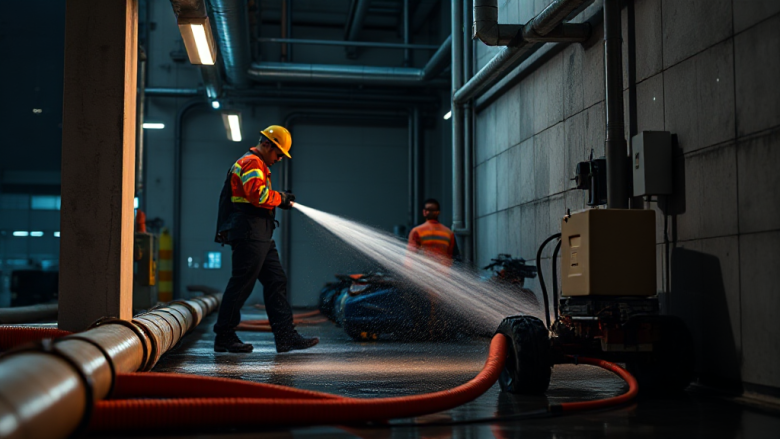
Different blockages respond to different methods. A manual snake works for short, simple clogs near the fixture. A rotating machine auger handles longer runs and tougher obstructions. Hydrojetting uses high-pressure water to scour grease and scale from the pipe walls, and it is often the better choice for commercial kitchens and older buildings.
Ask what method the technician plans to use and why. If the answer is “we will see when we arrive,” that is not necessarily wrong, but a professional should at least explain the likely approach based on your description. Understanding the method also helps you judge whether the quoted price is reasonable.
6. Forgetting to Ask About Emergency Availability
Blockages rarely happen at a convenient hour. A backed-up drain at night or on a weekend can force a business to close or a family to leave the kitchen unusable. Before you need help urgently, confirm whether the company offers 24-hour emergency service and how the after-hours rate differs from the standard rate.
It also helps to save the contact number in your phone and note the building’s access rules, such as gate codes or parking restrictions. In an emergency, those small details save precious minutes.
7. Neglecting Prevention After the Job Is Done
Once the drain is flowing again, the temptation is to forget the whole episode. That is how the same blockage returns months later. Ask the technician what caused the clog and what you can change to reduce the risk. In kitchens, that usually means less grease down the sink and a strainer in the drain. In older buildings, it may mean scheduling periodic preventive cleaning of the main line.
Keep the service receipt and any notes about the pipe condition. If the same spot clogs again, that record helps the next technician work faster and avoid repeating unnecessary steps.
Quick Comparison: Which Service Fits Your Situation
| Situation | Typical Service | What to Confirm |
|---|---|---|
| One sink or shower drains slowly | Drain unclogging | Whether the blockage is local or in the branch line |
| Water backs up in floor drains or toilets | Sewer line service | Whether a camera inspection is needed |
| Septic tank is full or smells strongly | Fossa cleaning | Disposal method and licensing |
| Grease buildup in a commercial kitchen | Hydrojetting | Pressure level and pipe condition |
Frequently Asked Questions
How do I know if the company really serves Guaianases?
Give your full address and ask for an arrival estimate. A local provider will answer specifically and may mention nearby landmarks or access details. Vague answers about covering the whole city are a warning sign.
Can I clear a blocked drain myself before calling?
A plunger is safe for a simple sink clog. Avoid repeated use of chemical drain cleaners, especially in older pipes, because they can damage seals and make the eventual professional job harder. If water does not drain at all, stop and call a technician.
What should I have ready when the technician arrives?
Clear access to the affected drain, the building’s permission if you rent, and any information about previous clogs. If the problem is in a common area, let the building manager know in advance so there is no delay at the entrance.
First-time callers get the best result when they treat the phone conversation as part of the job. Describe the problem clearly, confirm the service area, ask how the price is built, and understand which method will be used. That short checklist turns a stressful emergency into a straightforward repair.